← All articles
Weight loss
Weight loss
Type 2 diabetes: the British study that proved weight loss can put it into remission
By Coach Adrian O'Mahony · 247FitMe Blog
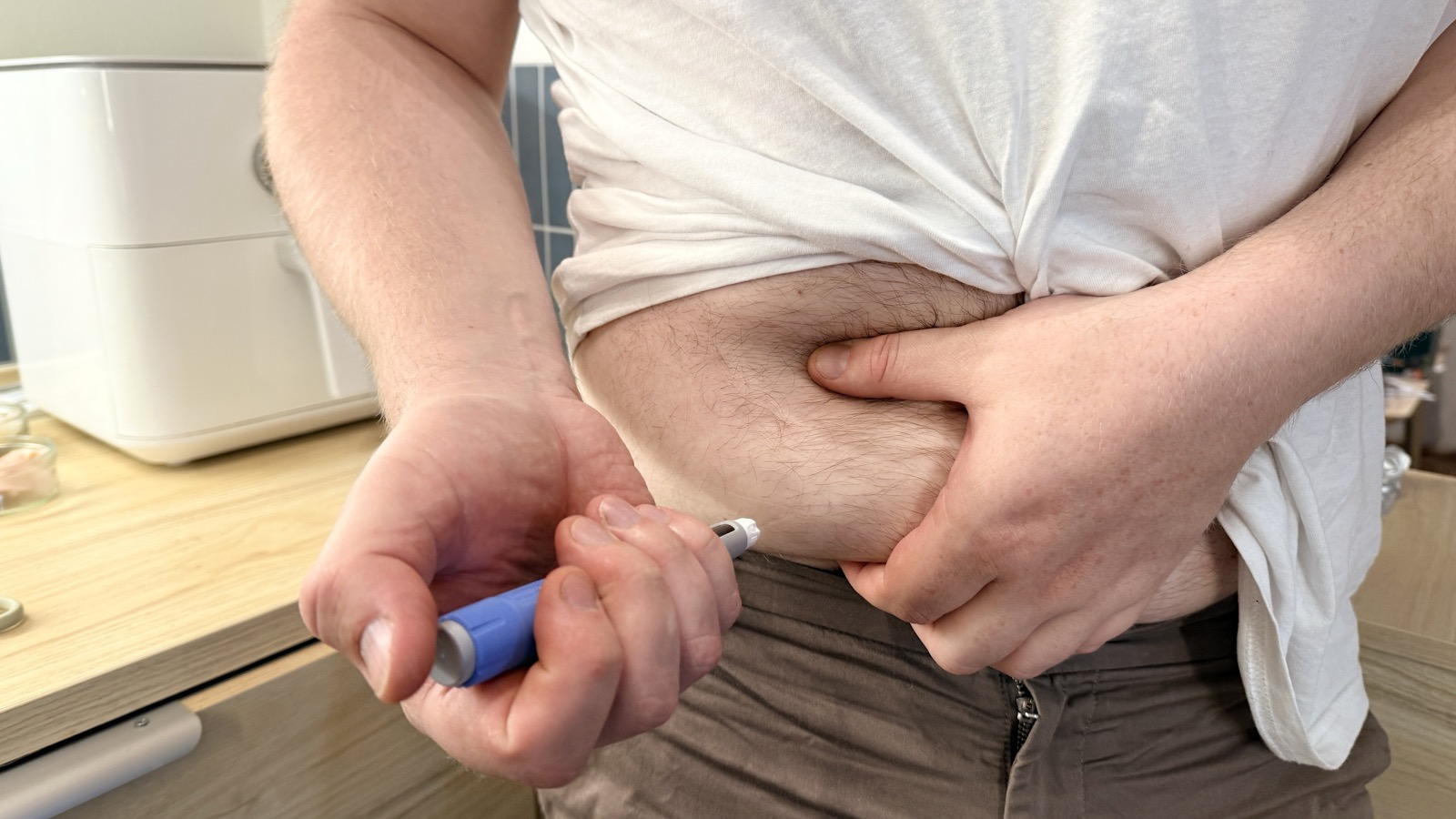
Photo: Kseniia Chunaeva / Vecteezy
The shocking truth about diabetes, worldwide
589 millionadults have diabetes. That's 1 in 9 adults, heading for 853 million by 2050.a
252 millionof them don't even know they have it.a
635 millionmore adults have prediabetes, putting them at high risk of type 2.a
Every 20 secondssomeone loses part of a leg to diabetes. That's about 4,300 people a day, more than 1.5 million a year.b
Up to 85% of these amputations could be prevented.c Most type 2 diabetes is linked to being overweight, and much of it can be prevented or delayed.d
- A landmark British study changed how we think about type 2 diabetes.
- It showed that for many people, type 2 diabetes can go into remission.
- The key was not a new drug.
- It was losing weight.
What the study did
- The DiRECT trial was led by Prof Mike Lean in Glasgow and Prof Roy Taylor in Newcastle.
- It was published in The Lancet in 2017.
- It followed 298 adults with type 2 diabetes, all overweight, at GP practices in Scotland and Tyneside.
- The diet group ate about 825–850 calories a day for 3 to 5 months, then went back to normal food step by step.
- The diet group lost 10 kg on average.
- After one year, 46% of the diet group were in remission, against 4% of the others.
- After two years, 36% were still in remission.
- The study was so important that it led to the NHS Low Calorie Diet programme.
The more you lose, the better
86%in remission after losing 15 kg or more
57%in remission after losing 10–15 kg
34%in remission after losing 5–10 kg
- Every kilo counts.
- Lose more, and your chances go up.
Why losing weight works
- When you lose weight, fat clears out of your liver and your pancreas.
- Your pancreas is what controls your blood sugar.
- With the fat gone, it can start working again.
The honest bit: it used shakes
- The people in the study lived on diet shakes for months.
- It wasn't keto.
- So it doesn't prove keto is better than anything else.
- What it proves is that losing the weight is what counts.
- The study also had no exercise part.
- The hard part isn't losing the weight.
- It's keeping it off.
Coach Adrian's real-food version
- You don't need to live on shakes.
- You can lose the weight with real food.
- Eat low carb, so there's less sugar hitting your blood.
- Build your meals around quality protein, some healthy fats and a few carbohydrates.
- First, we work out your fat-free weight.
- Then we move from there and set your own protein target.
- It's different for men and women.
- Fill up on green vegetables, with almost no carbs.
- Eat less than your body burns, every day.
- That's your calorie deficit, and that's what takes the weight off.
- Set yourself milestones at 5, 10 and 15 kg, and tick them off as you go.
A word of note
- If you take insulin or certain diabetes medication, your blood sugar can drop too low when you cut carbs.
- If you're not sure of anything, do seek some medical advice.
Get moving: 20 minutes, 3 times a week
- Muscle helps your body control blood sugar.
- So when you lose weight, you want to lose fat, not muscle.
- Do your 20-minute workout with Coach Adrian 3 times a week, at home.
- Walk every day.
- Build the habits step by step, not as a crash diet.
Coach Adrian's view
- For many people, type 2 diabetes doesn't have to be for life.
- Real food, high protein, low carb, a calorie deficit.
- A calorie deficit is what takes the weight off.
- Twenty minutes of training, 3 times a week, gets your fitness up, your flexibility back and your body moving.
- No guesswork. No voodoo. No yo-yo. No magic pills or potions. Just a proven plan that works.
Sources
- Lean, Taylor et al., The Lancet (2017): Primary care-led weight management for remission of type 2 diabetes (DiRECT): an open-label, cluster-randomised trial
- University of Glasgow: News release on the DiRECT trial results
- a. International Diabetes Federation, IDF Diabetes Atlas, 11th edition (2025): idf.org
- b. International Working Group on the Diabetic Foot (IWGDF), 2023 Guidelines: iwgdfguidelines.org
- c. International Diabetes Federation, "The diabetic foot: amputations are preventable" (2005)
- d. Diabetes UK: diabetes.org.uk
This article is general information, not medical advice. If you're not sure of anything, do seek some medical advice.
Lose the weight with Coach Adrian
One-on-one coaching: real food, 20-minute workouts, step by step.